
Electric heating tube equipment drives global manufacturing. It powers industrial heating and energy systems. Yet, trade barriers, supply chain shifts, and technical hurdles challenge the industry. How can it thrive? This article explores the industry’s status, challenges, strategies, and future, highlighting China’s role.
The State of the Electric Heating Tube Equipment Industry
Electric heating tube equipment is vital. It supports energy, chemical, metallurgical, and power sectors. Global demand for clean energy grows. The market for electric heating tube equipment expands. Data shows a 5% annual growth rate projected for the next five years. China leads, holding nearly 40% of the global market.
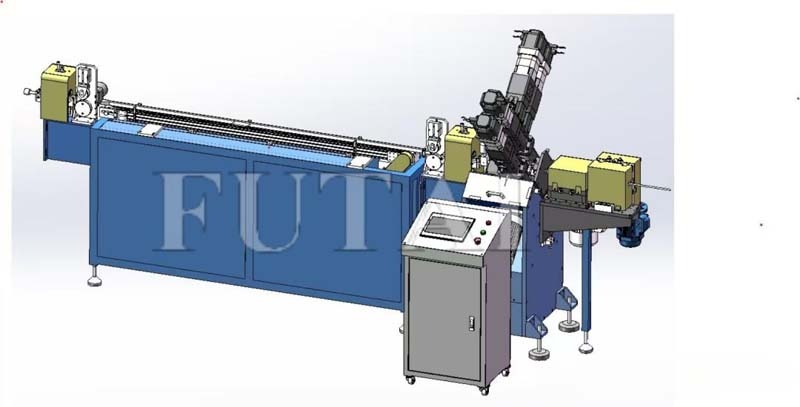
Technologically, traditional electric heating tube equipment is reliable. It meets most industrial needs. However, high-end applications—like deep-sea operations or aerospace—demand more. Corrosion resistance, explosion-proof features, and energy efficiency are critical. Thermoelectric modules show promise but face cost and efficiency issues. Thus, innovation in electric heating tube equipment fuels industrial progress.
Meanwhile, external pressures loom. U.S. tariffs raise export costs. Trade rules shift. Geopolitical tensions disrupt markets. Raw material prices fluctuate. Logistics costs climb. These factors test the industry’s resilience.
Trade and Supply Chain Challenges: A Stormy Landscape
1. Trade Barriers Strike Hard
U.S. tariffs hit Chinese electric heating tube equipment exports. Costs soar. Market access shrinks. Some firms lose orders. Others see market share decline. Additionally, new trade rules and digital trade bring challenges. Yet, they also offer opportunities. Economic shifts and policy changes demand quick adaptation. Companies need sharp market insight.
2. Supply Chain Complexity Grows
Global supply chains fragment. Regionalization reshapes electric heating tube equipment production. Raw material prices, like nickel and copper, swing wildly—up 30% in three years. Logistics costs rise. Geopolitical risks, like U.S.-China tensions, threaten stability. Consequently, companies must rethink supply chain strategies.
3. Technical Hurdles Persist
Technology poses challenges. Thermoelectric modules struggle with cost and efficiency. High-end applications need better corrosion resistance. Explosion-proof and energy-saving features are essential. Material innovation and process improvements are vital. These hurdles test R&D and supply chain coordination.
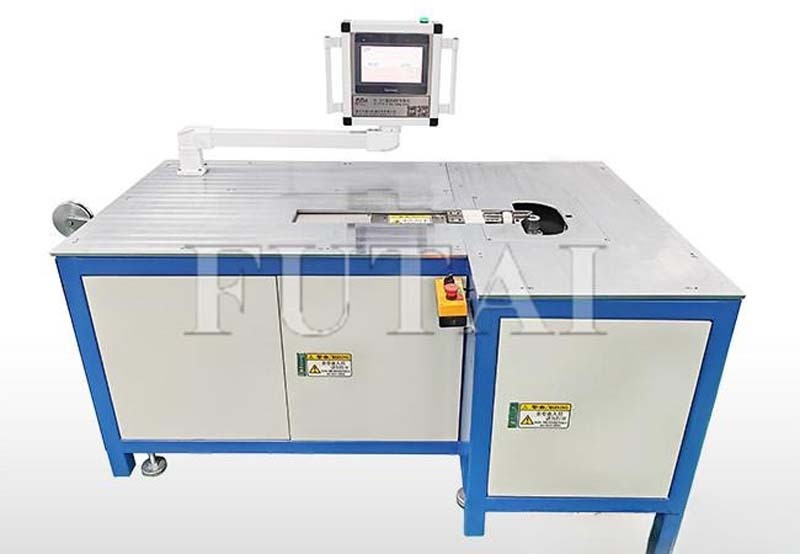
Building Supply Chain Resilience: China’s Strategies
Chinese electric heating tube equipment firms fight back. They use innovation, optimization, and risk management. Here’s how.
1. Innovation Drives Progress
Technology is key. Leading firms invest in R&D. They develop corrosion-resistant materials. These extend equipment life by 20%. Smart manufacturing boosts efficiency. It cuts energy use and waste. Moreover, thermoelectric module advances open new markets, especially in clean energy.
2. Resilient Supply Chains Thrive
Diversification strengthens supply chains. Firms reduce reliance on single markets. They partner with “Belt and Road” countries like Turkey and India. This expands markets. Digital platforms track materials and logistics in real time. As a result, firms respond faster and smarter.
3. Risk Management Turns Challenges into Opportunities
Trade and economic shifts demand action. Firms build risk assessment systems. They predict price hikes. For example, one company saved 15% by locking in inventory early. Compliance with global trade rules helps. Joining international standards boosts competitiveness.
4. Collaboration Fuels Success
Government support aids electric heating tube equipment firms. Tax breaks and R&D grants drive innovation. Industry associations share resources. They foster collaboration. Chinese firms also shape global standards. This makes “Made in China” a mark of quality.
Case Studies: Lessons from Leaders
One Chinese electric heating tube equipment firm shines. It developed energy-saving tubes. These met strict European standards. The firm gained 20% market share. It also partnered with Southeast Asian suppliers. This cut raw material risks by 30%. However, others faltered. Some relied on single markets. Trade barriers hit hard. Orders dropped. These cases show innovation and diversification are critical.
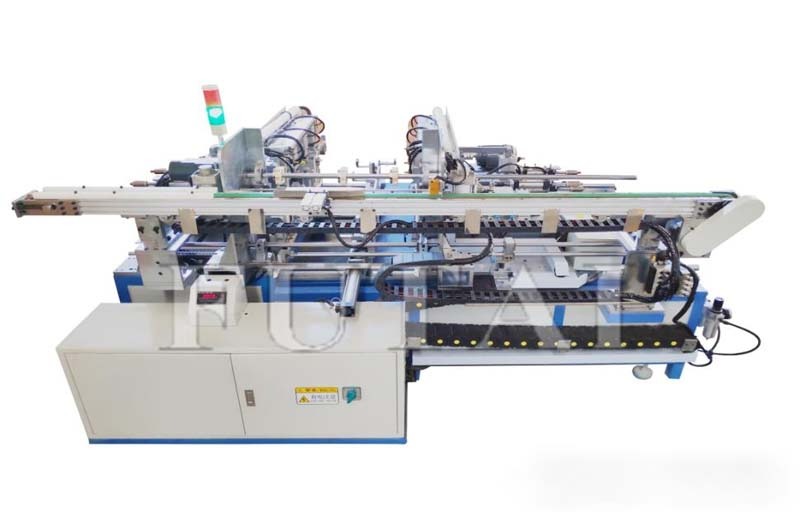
Future Outlook: Opportunities Await
The electric heating tube equipment industry has a bright future. Global energy transitions boost demand. Smart and green technologies lead the way. Regional supply chains and digital trade open new markets. Chinese firms, with cost and tech advantages, are poised to dominate.
Yet, challenges remain. Trade tensions persist. Supply chain risks linger. Technical barriers demand solutions. Firms must stay innovative. Governments should support R&D and supply chain growth. Industry groups must drive standards and collaboration.
A Resilient Future
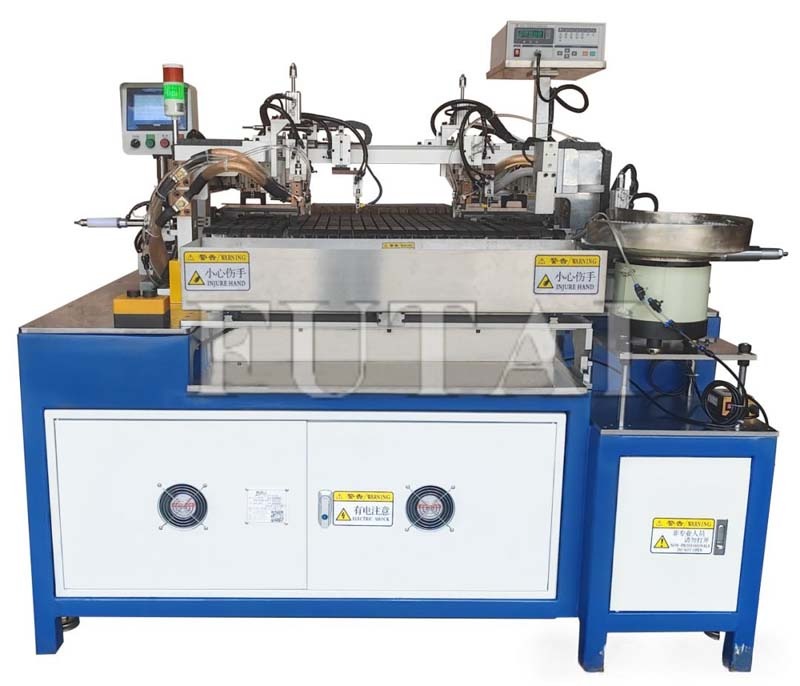
The electric heating tube equipment industry stands at a crossroads. Trade storms test its strength. Chinese firms respond with innovation and resilience. They lead globally. Companies like Guangdong Zhenghe Intelligent Technology Co., Ltd. (ZH) exemplify this spirit.
Since 2020, ZH has thrived. Its 20,000-square-meter factory in Zijin County, Guangdong, leads in automation. ZH’s expert R&D team drives innovation. Its products reach Turkey, India, Russia, and the U.S. ZH doesn’t just meet needs—it shapes the industry’s future. Together, we can build a smarter, stronger tomorrow.